Twitter Promoted Trends – they’re not cheap, but they are prime placement for awareness on the platform. How effective they are is dependent on what you put behind it on the day. It’s a solid 24 hrs on the front page, so make the most of it.
This is just a few simple and hopefully helpful tips to plan for a promoted trend and aim to make the most of the placement and spend.

May 20
Americans (broadly) love baseball. Someone’s got to. Last year over 15 million people watched the MLB World Series live.
That same year, 32 million people livestreamed the League of Legends World Championships Season 3 on Twitch.tv
Predominantly a games streaming service (though with popular videos quite frequently fronted, excuse the pun, by girls in tops 2 sizes too small), Twitch has a huge following in the youth market. It has become the go-to platform to share gaming content online, making clips and gameplay easily sharable to friends and, increasingly, to give professional players a platform to share with their millions of fans.
And with PS4 integration from launch via the Share button, the service is seeing an increase in console players livestreaming their games. On Xbox One it’s a slightly more convoluted process – you have to search for and download the app – but once you’re set up the barriers to sharing your gaming prowess similarly fall away.
So why is Google interested? It’s no coincidence that Twitch has made money with unskippable pre-rolls at the launch of a stream and at user-defined times after that, following the hugely successful YouTube model that accounts for up to $5bn of Google’s total $55bn revenue. Add to that the estimated 12-13 million consoles sold to date across both platforms.
Read More

May 09
It’s nearly 2014. We’ve had Facebook for pretty much a decade and Twitter went public last year. Social media has become a standard part of the marketing mix. In that time there have been thousands of daily updates from brands. Some have finally managed to find their feet, or rather their voice. Sadly, countless others are languishing with mediocre content, poor engagement and almost non-existent reach.
There are some brands that are always going to struggle to produce content that people care about. Those that have no brand to speak of or those sit in low interest categories. And those brands need to question what the value of social is. Hint: it’s okay to use it as a broadcast channel if you’re not an engaging brand.
Read More
Apr 06
“What’s the next big thing?”
“{insert new platform name} is the next Facebook”
“Teens flock from X to Y”
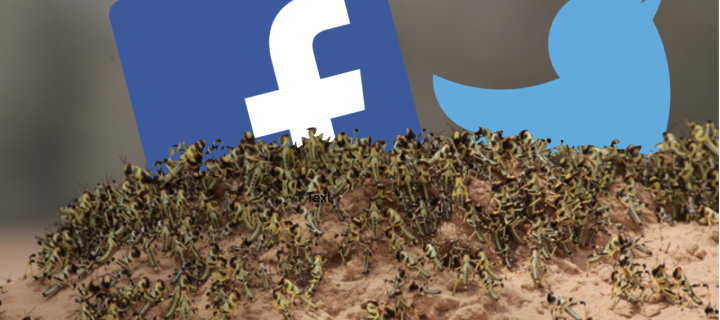
The above are becoming all too familiar headlines as brands and marketers display Locust like behaviour, swarming in on a platform or buzzword technology, eating up any case study they can get before moving on to the next.
We’re an industry obsessed with the next rather than the now.
Before you move on hungry for the next meal, have a think about if you’re even getting the now right…
Read More
Feb 20
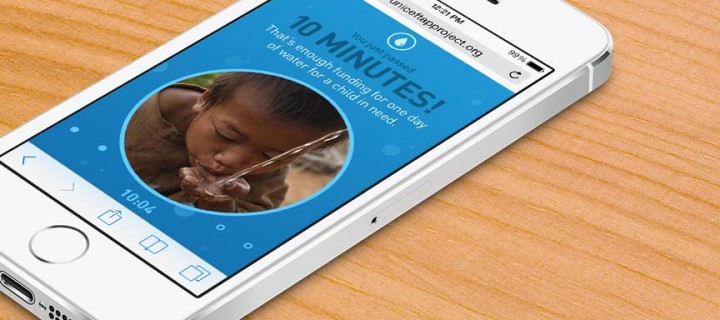
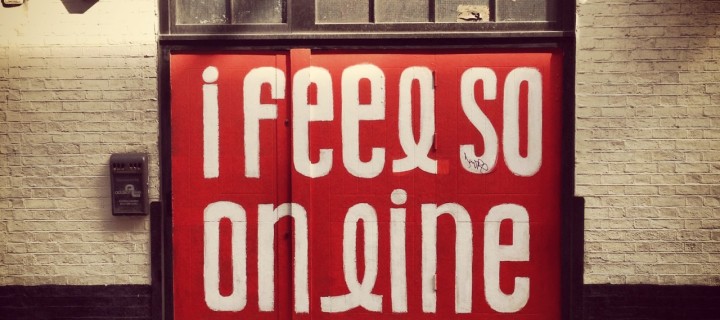
Is this going to be a big trend for 2014 – telling consumers to look up from their mobiles, to get out of the social feels and pay more attention to the real world?
Read More
Jan 15
Alex Proud wrote a piece on the Telegraph website about the Shoreditchification of London. This paragraph pretty much sums up what he means by the term:
“You find a previously unnoticed urban neighbourhood, ideally one that’s a bit down on its luck. Pioneer hipsters move in and coolhunters ensure it starts trending on Twitter. A year later, the mainstream media notices and, for the next 12 months, the neighbourhood is byword for urban cool. Soon property prices soar pushing the original residents out, the bankers (always a trailing indicator) begin to move in and a Foxtons opens. Finally, the New York Times runs a piece in which it “discovers” the area and the cycle is complete. The last hipsters move on and find a new neighbourhood to play with.”
Now if we swap ‘urban neighbourhood’ for {social platform} or {tech trend} I think this description could still remain true. Read More

Jan 09
This week’s social media platform launch is Jelly; a text-plus-image-based question and answer platform from Twitter co-founder Biz Stone which, at first glance, seems like a cross between Quora and Thumb (remember that one?). The idea is simple – stick up a photo of whatever it is you’re talking about, scrawl on it in a Snapchat-esque way to indicate the relevant area, and then ask a question in supporting, overlaid text. Second-degree contacts from your Facebook and Twitter profiles (i.e. friends-of-friends) can answer, and you can reward their answer with a ‘Thank-You’ card.
Read More

Jan 03
Star Wars appeared on Instagram with a highly shareable image, perfectly placed on the platform taking queues from its most culturally popular behavior in the form of a Darth Vader Selfie.
Not everyone has the luxury of a multi-billion dollar franchise with some access to some of the most popular iconic characters of all time, but we can learn a few things from them.
Lost Content is based on the idea that we often focus on the main campaign, content piece or single output – perhaps a TV ad or a photo shoot for a magazine. More often than not there is lots of valuable images, videos and opportunities that get overlooked or collected and then forgotten about. Magazine shoots or PR shoots might pick the single best image for a spread but there was probably many others shot on the day.
How well are you using Lost Content and is there anyone else doing it right? Let us know in the comments.
Dec 30
2013 is coming to a close, and we wouldn’t be a blog of no-nonsense social media without ‘best of 2013′ post.
We can be honest though, we’ve been lazy as the job has already been done for us by each of the social spaces themselves, and they all do it so nicely we’ll let you just enjoy them at your own leisure. Just so that this isn’t viewed as too much if a cop out we have at least gone through them an placed them in order of our favourites.
Read More

Dec 22
A little round up of nice bits of social that we saw this week, including Bill Gates vining, Adidas trying to be the center of attention and Beyonce launching her album with an instagram.
Since we failed to find six bits of good social, we’re having to rename this segment to something less specific than ‘six bits of social’ which just goes to show how well we’re all doing at getting good work out there…
If you spot any next week, don’t forget to tell us on Twitter.
Beyonce’s new album

What it is: Beyonce decided to forgo the normal media circus to launch her latest album and instead rely on word of mouth through social media to do the job.
Why we like it: Clearly the element of surprise has helped here, and has an air of secrecy – but it’s interesting to see a celebrity such as Beyonce use Instagram to unveil a new album. Musicians are obviously in a high interest category, though there will still be learnings for brands so we’re watching how this one plays out. Forbes has the full story here.
Read More
Dec 19
The shift from mouse and keyboard to touchable screens doesn’t just impact the devices our audiences spend their time in front of, it also changes the way they read and consume content – we’re now in a feed based culture.
The below is a quick look at the shift in consumption and some tips to help your content stand out in a variety of feeds.